UK Data Centre Cooling Systems
We understand the evolving demands of the UK data centre sector, having supported facilities operating under tight power constraints, increasing rack densities and ageing infrastructure.
Many facilities across the UK are 10–20+ years old. They were designed for 5–10 kW racks, built around legacy chiller architectures, and never intended to support AI-driven densities of 30–80 kW per rack. Today, operators face grid connection delays, planning limitations, ageing plant, ESG scrutiny, and the commercial reality that downtime is not an option.
Rebuilding is rarely viable.
Re-engineering is.
Vistech Cooling Systems provides independent cooling system consultancy and engineering expertise for constrained, legacy and partially upgraded data centres. We help operators release stranded capacity, reduce cooling parasitic load, and enable density upgrades – without rebuilding the facility.

The UK Reality: Constrained, Ageing, and Under Pressure
Power-Constrained Infrastructure
Grid capacity is now the primary operational constraint for many UK data centres.
- Limited DNO availability and long approval times
- Electrical caps restricting IT expansion
- Cooling parasitic load-reducing sellable power
- No viable short-term grid upgrades
Cooling optimisation becomes a direct method of releasing stranded electrical capacity within the existing envelope.
Ageing Plant & Legacy Design Limitations
Much of the UK’s data centre estate was not engineered for modern high-density computing.
- Designed around 5–10 kW racks
- Legacy chiller operated systems
- Inefficient piping layouts
- Oversized or poorly sequenced controls for plant operations
Without structured optimisation, density upgrades often result in inefficiency, overspend and increased operational risk.
Water, ESG & Compliance Pressure
Regulatory and ESG scrutiny across the UK continues to intensify. While water stress may not match global extremes, reporting requirements, regional oversight and sustainability commitments are increasing.
Operators must balance:
- Energy performance (PUE)
- Water use efficiency (WUE)
- Plume and environmental compliance
- Transparent sustainability reporting
The objective is not to promote one cooling technology over another, but to determine the right solution for the site, the operating envelope and the long-term strategy.
AI & High-Density Transition
The shift toward AI and high-performance computing has accelerated the limitations of legacy infrastructure. Many facilities were not designed for 30–80 kW racks, direct liquid cooling integration or hybrid architectures.
AI and high-performance computing are reshaping thermal demands.
Facilities must transition in a phased, engineered manner – not through reactive equipment upgrades.
Optimisation, Not Equipment Sales
In a market where cooling equipment is easy to compare, a “cooling equipment supplier” will push your system focus into a price conversation. Our role is different: we act as an independent cooling system optimisation partner for legacy and space-constrained sites.
That means the conversation starts with outcomes, not equipment:
-
Risk reduction and improved uptime confidence
-
Efficiency gains that translate into measurable operating cost reduction
-
Greater infrastructure resilience under real operating conditions
-
Futureproofing through a staged plan aligned to your growth and compliance needs
This is consultative engineering tied directly to your commercial objectives, making your company more efficient and competitive – a practical optimisation programme, not a transactional supply exercise.
Unlocking Capacity Within Constraint
A Clear Market Drive
Unlock more from the infrastructure you already own.
In a market constrained by grid delays, ageing plant and limited electrical headroom, cooling optimisation becomes one of the few immediate levers available to increase capacity without major capital redevelopment.
It is not simply an engineering upgrade, but a strong strategy to release stranded power and convert it into revenue-generating IT load.
Financial Impact
Cooling optimisation directly supports measurable commercial outcomes:
- Increased revenue per MW within the existing electrical envelope
- Reduced cooling parasitic load
- Improved PUE performance
- Enhanced infrastructure resilience
When done correctly, cooling system investment moves from a facilities upgrade to a strategic growth initiative.

Where Vistech Adds Value
Design & Consultancy
In these environments, the solution is rarely a single change or upgrade in technology. It requires a structured engineering process focused on measurable outcomes and efficiency improvement.
This can include:
- Cooling System Audit & FEED Studies
- Legacy Plant Optimisation
- Water & ESG Strategy Development
This approach positions cooling as a strategic infrastructure discipline rather than a procurement exercise.
Why Retrofit Is Defensible
Legacy data centre plant upgrades projects are:
- Complex
- Site-specific
- Engineering-led
They require integration across multiple technologies and careful alignment to operational constraints.
This environment suits Vistech as a specialist integrator with broad expertise in cooling solutions and a focus on optimisation rather than product bias.
The Core Strategic Insight
The primary UK constraint is not cooling technology itself. It is the question:
How do we grow compute revenue without waiting five years for grid upgrades?
Improving cooling efficiency, reducing parasitic load and enabling higher density are immediate, controllable actions. They release capacity within the existing electrical envelope.
When framed correctly, cooling optimisation becomes a competitive advantage – not simply a facility or utility upgrade.
Cooling Tower or Adiabatic System?
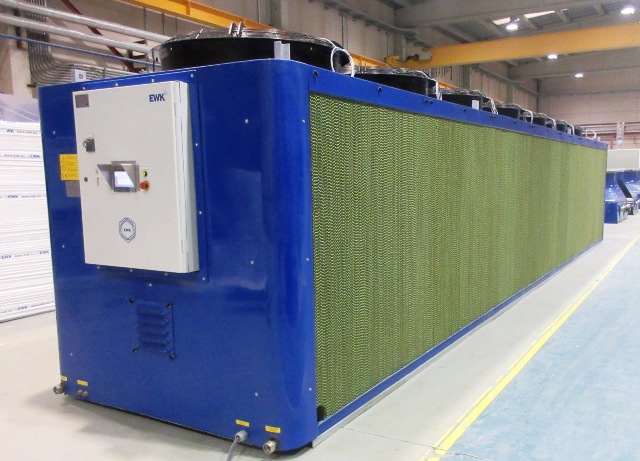
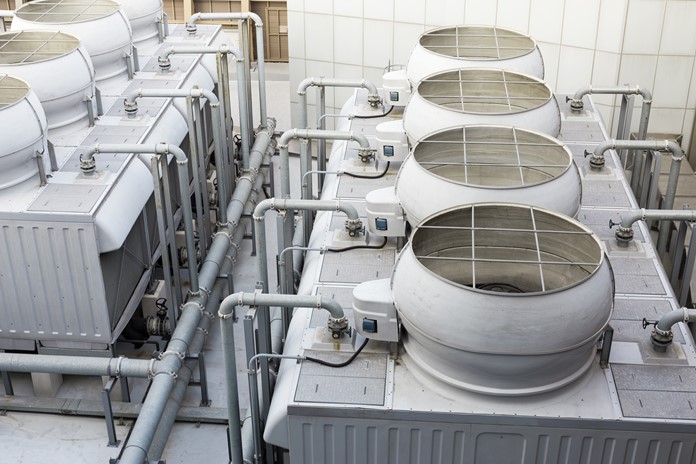
Vistech Cooling Systems offers both cooling tower and adiabatic units depending on your site’s requirements, this helpful system comparison can help you decide which system is best suited to your site.
Cooling Towers |
Adiabatic Coolers |
|
|---|---|---|
| Footprint | ||
| Water Consumption | ||
| Power Consumption | ||
| Sound level | ||
| GRP casing lifespan | ||
| Aerosols and plumes | ||
| Water Treatment | ||
| Capital cost |